Nové produkty 2025


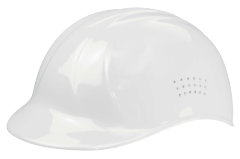
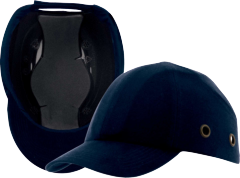
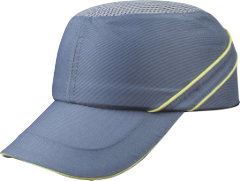
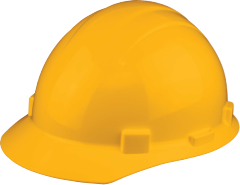
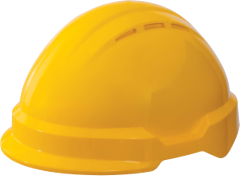
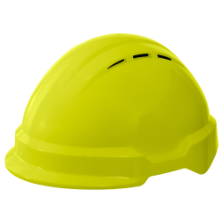
In numerous professional and hazardous settings, the importance of head protection can't be overstated. This crucial aspect of safety is not only a matter of occupational health but also a matter of personal wellbeing. Your head houses essential organs, including the brain and eyes - the command centre of your body. Any damage inflicted can result in severe, often irreversible, consequences, impairing senses, and even leading to life-threatening injuries.
The necessity for head protection becomes more acute in environments like construction sites, manufacturing units, and utility services, where potential hazards like falling objects, flying debris, and accidental impact are commonplace. Furthermore, specific job roles such as welding or tasks involving exposure to harmful substances demand adequate headgear for protection against sparks, heat, chemical splashes, and hazardous airborne particles.
The necessity for robust head protection extends beyond mere compliance with safety standards such as those set by OSHA. It is about safeguarding workers, ensuring their safety, and promoting a healthy working environment. Therefore, head protection becomes an integral component of personal protective equipment (PPE).
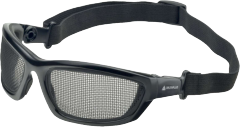
The decision to wear safety glasses can mean the difference between safeguarding your vision or risking potential harm. Ensuring eye protection is particularly crucial in work environments where there's exposure to occupational hazards.
Safety glasses are designed to shield your eyes from a multitude of threats. One of the most common are flying debris or particles, often encountered in jobs involving woodworking, metal grinding, or other similar tasks. Safety eyewear serves as a physical barrier, preventing these objects from making harmful contact with your eyes.
Besides physical threats, safety glasses can protect against chemical hazards too. In certain industries, like healthcare or chemical manufacturing, there's a high risk of contact with dangerous substances. Safety eyewear can prevent chemical splashes from reaching the eyes, protecting them from potential burns or irritation.
Safety glasses with UV-protection are invaluable for workers often exposed to the sun. Prolonged UV exposure can lead to conditions like cataracts or photokeratitis. By filtering out harmful UV radiation, safety glasses safeguard not just your vision, but also the health of your eyes.
Another benefit of safety glasses is the ability to mitigate glare, often an issue in brightly lit environments or outdoors. Anti-glare coatings on safety eyewear can reduce eye strain and improve comfort.
Even for those with vision correction needs, prescription safety glasses ensure that workers don't have to compromise on either vision or protection.
In conclusion, wearing safety glasses is an easy yet vital step in preserving your eye health, preventing a wide range of possible eye injuries in various work environments.

The importance of using respiratory protective equipment, including masks, in the building industry cannot be overemphasized. Despite being often overlooked, respiratory protection is critical to the health and safety of workers exposed to various airborne hazards.
In the building industry, workers are frequently exposed to dust, fumes, gases, vapors, and other potentially hazardous particles. These contaminants can lead to serious respiratory health problems such as lung diseases, asthma, and even cancer. Consequently, it is vital to utilize respiratory protection like masks to prevent inhalation of these harmful substances.
OSHA (Occupational Safety and Health Administration) regulations mandate the use of appropriate respiratory protective equipment to ensure the safety and health of workers. The use of respiratory masks is essential when adequate ventilation is not possible or when the concentration of hazardous substances exceeds permissible exposure limits.
Respiratory masks help filter out these airborne contaminants, allowing the wearer to breathe safely. They act as a protective barrier, ensuring the air you breathe is clean and free from harmful particles.
As a leading provider of personal protective equipment, Delta Plus is committed to offering a comprehensive range of respiratory masks suitable for use in various environments within the building industry. Whether it's for protection against dust during demolition or insulation works, or fumes from welding and painting tasks, our masks are designed to offer optimal fit, comfort, and protection.

One of the first steps is to understand the noise level you are exposed to, measured in decibels (dB). If the noise level is consistently above 85 dB, hearing protection is necessary, as prolonged exposure to such conditions can lead to hearing loss. Sound meters can help determine the exact noise level on the worksite.
The type of noise – whether it's continuous, intermittent, or impact – also plays a part in the decision-making process. Continuous noises like machinery hum might require different protection than sudden, loud noises such as a gunshot or a hammer striking an object.
Also, the Noise Reduction Rating (NRR) of the hearing protector is a vital factor. NRR is a measure of how much a hearing protection device can reduce the noise level. The higher the NRR, the greater the noise attenuation.
Comfort and convenience should not be overlooked. Earplugs or earmuffs that fit poorly or are uncomfortable are less likely to be worn consistently. Look for options like molded earplugs or adjustable earmuffs to ensure a good fit.
Lastly, consider the environment and the nature of the work. In warm, high-activity situations, earplugs may be a better option due to less heat trapping. In contrast, earmuffs can be more suitable for cooler environments and jobs that require intermittent hearing protection.
To sum up, when choosing hearing protection, evaluate the worksite's decibel level, the noise type, the NRR of the protector, comfort, and the nature of your work environment.

Safety harnesses, an integral part of fall protection systems, play a critical role in ensuring worker safety in environments where falls from heights are a risk. They come in a variety of styles, each designed to meet the demands of specific work situations. Here, we will focus on two main types: thigh harnesses and fall arrest harnesses.
A thigh harness, also known as a sit harness, is generally used in situations where the risk of falling is not severe but where the worker needs support and balance. This type of harness consists of a waist belt and leg loops, providing support around the hips and thighs. It's commonly used in sports such as rock climbing or rappelling but can also be seen in professional settings like tree climbing or tower maintenance.
A thigh harness is not designed to arrest falls. Instead, it's used for positioning, to help workers maintain their balance and stability while working at heights.
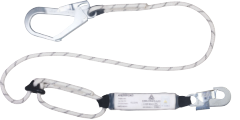
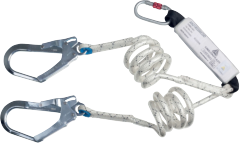
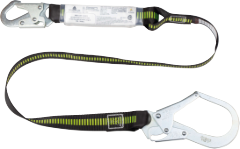
A fall arrest harness, often referred to as a full body harness, is designed to protect workers in situations where there is a risk of a serious fall. It's a part of a complete fall arrest system which also includes a connecting device such as a lanyard or lifeline, and an anchorage point.
Unlike a thigh harness, a fall arrest harness is built to distribute the forces experienced during a fall across the whole body, minimizing the risk of injury. Key components of a fall arrest harness include shoulder straps, leg straps, a sub-pelvic assembly for weight distribution, and a dorsal attachment point where a lanyard or lifeline can be attached.
The design of a fall arrest harness ensures that, in the event of a fall, the worker remains suspended in an upright position. It's important to remember that in a fall arrest scenario, rescue procedures must be initiated promptly to prevent the risks associated with prolonged suspension, known as suspension trauma.
Safety harnesses, whether thigh or fall arrest, are designed with user safety as the utmost priority. However, not all harnesses are created equal, and choosing the right one for your needs is crucial. In the next section, we'll delve into how to select the perfect harness for your occupation and height.