#

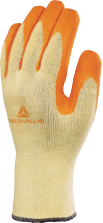
Mechanická ochrana pre viacúčelové práce

Bez ohľadu na oblasť vašej činnosti nájdete v našom širokom sortimente ochranných rukavíc ten správny výrobok z hľadiska pohodlia, dizajnu a výkonu.

#
Filtres 5 Results
Filter
header
Kategória produktov
Ochrana rúk
Mechanická ochrana pre viacúčelové práce
Odvetvie činnosti
Poľnohospodárstvo Lesníctvo Rybolov
Stavebníctvo
Komunálne služby Energetika
Výrobný sektor
Ťažba ropy a zemného plynu Petrochemický priemysel Baníctvo
Doprava - Skladovanie
Služby pre spoločnosti
Povrstvenie povrchu
Povrstvenie
Riziká
Ostatné normy
Oder
Cut-iso
Pierce resistance
Tear

How Do You Choose Your Handling Gloves for Work?

The task of choosing the right handling gloves for work can seem daunting, considering the multitude of options available. However, it can be made simpler by taking into account several critical factors, including the nature of the job, environmental conditions, material of the glove, and personal comfort.


Understanding the nature of the job is the first step. Are you handling corrosive chemicals? Sharp objects? Or perhaps you are performing precise tasks that require excellent grip and dexterity? Answering these questions will help you to understand the level of protection you need.


Environmental conditions play a significant role too. For example, waterproof gloves are needed for wet conditions, and thermal gloves may be essential if you work in a cold environment.


As for the material of the glove, each type has its own set of benefits.


Nitrile gloves offer superior puncture resistance and are ideal for handling small parts, chemicals, or when you need excellent dexterity. Nitrile is also a great choice for those with latex allergies.


Latex gloves provide the best fit and feel, which can make them a good choice for tasks requiring precision. However, they can cause allergic reactions in some people.


Rubber gloves provide excellent protection against a wide range of chemicals and are typically used for heavy-duty tasks.


Neoprene gloves combine the benefits of latex and nitrile, offering excellent flexibility, dexterity, and resistance to a wide range of chemicals and heat.


Personal comfort is crucial too. Gloves should fit well without restricting movement or causing discomfort, as ill-fitting gloves can hinder your work and lead to hand fatigue.

Finally, it's important to consider whether you need disposable gloves or reusable ones. Disposable gloves, such as nitrile or latex gloves, are often used in the medical field or for light duty cleaning tasks where cross-contamination is a concern. In contrast, reusable gloves, such as rubber or neoprene gloves, are often used for heavy-duty tasks and can withstand repeated use.

Choosing the right handling gloves for work ultimately boils down to identifying the specific hazards of your job and selecting a glove that offers suitable protection while being comfortable to wear. Always remember, hand protection is a crucial aspect of workplace safety, so never compromise on the quality of your gloves.

Is It Compulsory to Wear Handling Gloves for Work?

In many industries and professions, wearing handling gloves for work is indeed mandatory. This requirement comes from various occupational safety and health regulations and guidelines, which are designed to protect workers from potential hazards.

The specifics may vary depending on your location and the nature of your work. But in general, any job that involves exposure to hazardous materials, sharp objects, extreme temperatures, or any other potential risk to the hands will require the use of appropriate protective gloves.

The Occupational Safety and Health Administration (OSHA), an agency of the U.S. Department of Labor, sets out clear guidelines for the use of personal protective equipment (PPE), including handling gloves. According to OSHA, employers are required to assess their workplaces to determine if hazards are present, or likely to be present, which necessitate the use of PPE such as gloves.

It's also important to note that not just any glove will suffice. The chosen glove must provide adequate protection against the specific risks involved in the job. For example, nitrile gloves may be required for handling certain chemicals, while cut-resistant gloves would be necessary when working with sharp objects.

In addition to being a regulatory requirement, wearing gloves is also a best practice in many industries. It is an effective way to reduce the risk of injuries, improve efficiency, and even boost employee morale by demonstrating that the employer values their workers' safety.

So, while the regulations might vary, the bottom line is that if there is any potential risk to your hands during your work, you should be wearing suitable handling gloves. Not only is this a key step in adhering to health and safety rules, but it is also a crucial measure in preventing avoidable injuries and ensuring a safe working environment.

What is the Best Type of Handling Glove for Work?

Choosing the best type of handling gloves for work often depends on the specific tasks and hazards involved in the job. Here are some of the most common types of work gloves, along with their key features:


Nitrile Gloves : Known for their exceptional chemical resistance, nitrile gloves are ideal for jobs that involve handling hazardous substances. They're also puncture-resistant, making them a reliable choice for healthcare or laboratory environments.


Latex Gloves : These offer excellent dexterity and sensitivity, making them a popular choice for precision tasks. However, they may cause allergic reactions in some individuals and are not as resistant to puncture or chemicals as nitrile gloves.


Neoprene Gloves : These gloves are synthetic and provide excellent chemical resistance. Neoprene gloves are often used in applications that require a good grip on wet or slippery materials.


Disposable Gloves : Designed for one-time use, these gloves provide an economical solution for jobs that require frequent glove changes. They offer basic hand protection, but might not provide the durability needed for some heavy-duty tasks.


Cut Resistant Gloves : These gloves are made from materials like Kevlar or Dyneema, designed to protect the hands from cuts and abrasions. They're perfect for jobs involving sharp objects, such as metal or glass handling.


Coated Gloves :These gloves have a rubber, nitrile, or PVC coating that provides enhanced grip, abrasion resistance, and longevity. They're a good fit for construction, automotive, or assembly work.


Leather Gloves : Durable and resistant to heat, these gloves are used in welding, construction, and other heavy-duty tasks.


In conclusion, the best type of handling glove for work is the one that offers the most protection against the specific hazards of your job, while also providing comfort, dexterity, and durability. It's always important to assess the needs of your workplace and choose gloves accordingly to ensure optimal hand protection.

Example Text

Example Rich Text