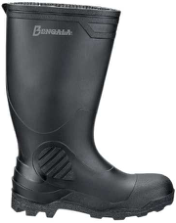
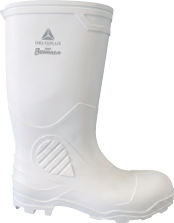
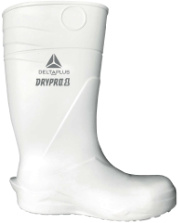
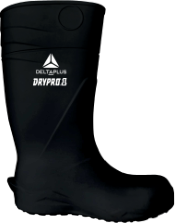
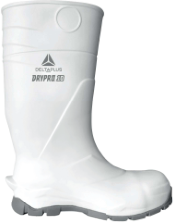
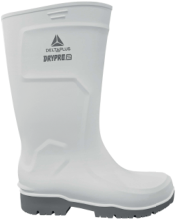
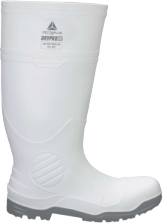
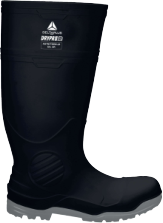
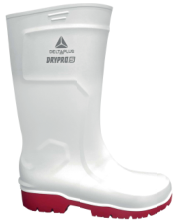
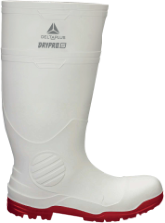
Botas de proteção
Uma gama completa de botas de proteção para todos os ambientes.
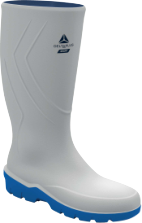

Uma gama completa de botas de proteção para todos os ambientes.

Safety boots are indispensable in many lines of work. They provide protection against a variety of hazards in the workplace, ensuring that feet are well guarded against impacts, punctures, electrical shocks, and more. This piece of safety footwear is often seen in industrial settings, construction sites, factories, and other hazardous environments, but their use extends to various other sectors.
Firstly, construction workers are one of the main users of safety boots. Steel-toe work boots are a requirement in this profession, as they guard against a multitude of risks that include falling objects and sharp materials that could cause punctures.
Likewise, people who work in manufacturing and industrial settings are required to wear safety footwear. This includes steel mills, auto manufacturing plants, and chemical plants. In such environments, composite toe safety boots are common, as they offer similar protection to steel toe boots but with the added benefit of being non-metallic and lighter.
Workers in the oil and gas industry also greatly benefit from safety boots. Waterproof and slip-resistant work boots are especially beneficial in this field due to the often wet and slippery conditions.
Electricians and other workers in the energy sector often wear safety boots with specific electrical hazard protection features. These boots have a special outsole that provides a secondary source of electrical hazard protection against the dangers of stepping on live electrical circuits.
Loggers and forestry workers typically wear lace-up safety boots that provide added ankle support, while insulated safety boots are crucial for workers in cold storage facilities or outdoor jobs in cold climates.
Apart from these, safety boots are beneficial for a plethora of other jobs and each variant caters to a unique set of requirements.
In conclusion, safety boots are intended for any profession where foot hazards exist. They are essential tools in the quest for a safer, hazard-free workplace. Whether it's a steel-toe, composite toe, or a metatarsal work boot, Delta Plus has the right safety boot for every profession and every worker.

In many occupations, safety boots are not just a recommendation, they're a requirement. They form a vital part of personal protective equipment, safeguarding workers from a multitude of potential hazards that could lead to serious foot injuries. There are several reasons why wearing safety boots is necessary.
The foremost reason to wear safety boots, such as steel-toe work boots or composite toe boots, is to protect your feet from injuries. Whether you're working in construction, manufacturing, or any other heavy industry, there's always the risk of heavy objects falling onto your feet. A good safety boot, equipped with a reinforced toe cap, will provide a high level of protection against such risks.
Additionally, safety boots can prevent punctures. If you're working around sharp objects such as nails or scrap metal, a regular shoe won't offer sufficient protection. Safety boots, however, often come with thick soles and a protective plate to reduce the likelihood of punctures.
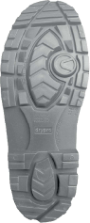
Slips, trips, and falls are another common workplace hazard, especially in environments where floors may be oily or wet. Safety footwear, particularly slip-resistant work boots, are designed with special outsoles to provide maximum traction and minimize the risk of slipping.
In certain jobs, there's also a risk of exposure to harmful chemicals or high temperatures. Safety boots are made from durable materials that can withstand these extreme conditions, preventing burns and chemical injuries. Waterproof boots can also keep your feet dry in wet conditions, while insulated boots will keep them warm in cold environments.
Moreover, safety boots are designed for comfort during long working hours. Features like padded insoles and proper arch support can make a big difference in comfort, especially for workers who spend a lot of time on their feet.
Finally, it's also worth noting that in many places, employers are legally obligated to ensure their employees wear appropriate safety footwear when there's a risk of foot injuries. So, wearing safety boots not only keeps you safe, it also helps your employer stay compliant with health and safety regulations.
The need to wear safety boots comes down to protecting your feet from injuries, ensuring your comfort during work, and complying with safety regulations. Delta Plus offers a wide range of safety boots to meet the needs of every worker, ensuring that you can work safely and comfortably, no matter the nature of your job.

Safety boots come in a variety of styles and types, each designed to meet specific needs and safety standards. Let's dive into some of the most common types of safety boots you might encounter in the workplace.
Steel Toe Boots : This is perhaps the most recognized type of safety boot. The defining feature is a steel cap embedded in the toe box of the boot, providing protection against impact and compression injuries. Steel toe work boots are an industry standard in many heavy-duty jobs, including construction and manufacturing.
Composite Toe Boots : These boots offer a similar level of protection as steel toe boots but are made of composite materials such as plastic, carbon fiber, or Kevlar. They are lighter than steel toe boots and don't conduct heat or cold, making them a popular choice for those working in metal detectors or extreme weather conditions.
Metatarsal Boots : These boots include a protective guard that runs from the toe to the top of the instep, providing additional protection for the metatarsal bones in the upper foot. They're ideal for jobs that carry a high risk of falling or rolling objects, or accidental tool drops.
Electrical Hazard Boots : Designed for those who work around electricity, these boots are made of non-conductive materials and provide a secondary source of electrical shock resistance protection, reducing the risk of shock incidents.
Slip-Resistant Boots : These boots feature outsoles made of special materials that increase traction and minimize the risk of slips and falls, making them ideal for workers in wet or oily environments.
Insulated Boots : These boots are designed to provide extra warmth in cold working conditions. They have a layer of insulation that retains heat and keeps feet warm in cold weather, making them perfect for those working outdoors in winter or in cold storage areas.
Waterproof Boots : Waterproof safety boots are designed to keep feet dry in wet conditions. They are made of materials that repel water and often have a waterproof membrane, making them ideal for jobs in wet climates or occupations where water is a constant presence.
Puncture-Resistant Boots : These boots have a midsole plate made of steel or composite material to protect against sharp objects such as nails or shards of glass that could penetrate the sole.
Each type of boot is designed for a specific set of hazards and can be found in various styles, including lace-up, slip-on, and even as safety shoes for more casual environments. Delta Plus offers a comprehensive line of safety footwear to cater to each worker's safety needs. Choosing the right safety boot can significantly reduce the risk of foot injuries and provide comfortable protection throughout the working day.